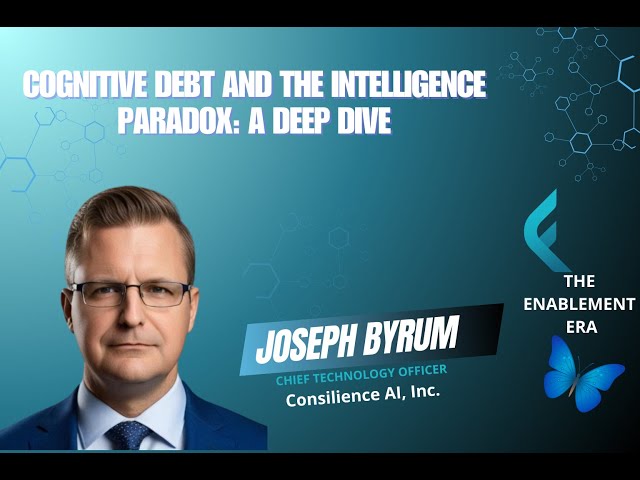
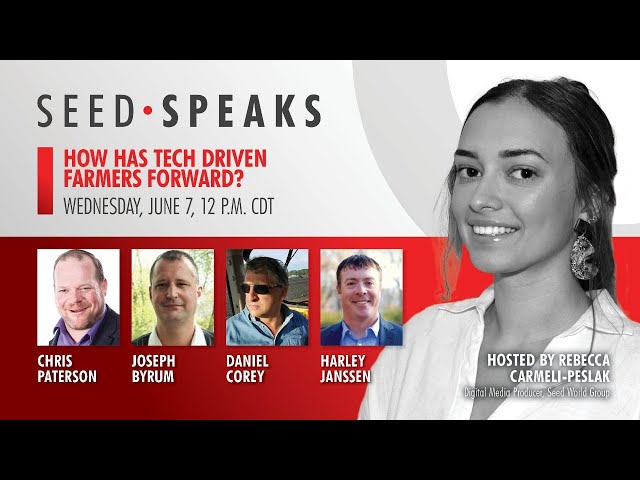
LinkedIn LinkedIn | Building Systems That Survive, Scale & Deliver Measurable Impact
With 20+ years architecting technology ecosystems delivering $1B+revenue generation, $500M+ incremental growth, and $285M+ costoptimization across Biotech, Financial Services, and Manufacturing, I architect technology ecosystems that fuel scalable growth.
Throughout my career, I've witnessed brilliant innovations collapse under corporate restructures and market turbulence. That experience taught me a defining lesson: Build systems that thrive amidst disruption, outlast competitors, and deliver lasting results.
From breakthrough genetics research to hedge fund algorithms, my Unlearn. Transform. Reinvent. philosophy has delivered:
$1B+ in revenue generation
$500M+ in incremental business growth
$285M in confirmed cost optimizations
Industry Recognition & Proven Impact
First Biotech Leader to win the prestigious Franz Edelman Prize
Twice recognized in Analytics Top 50
ANA Genius Award recipient for Marketing Analytics Innovation
Driving the Future at Consilience AI
At Consilience AI, we're pioneering next-generation investment algorithms by fusing behavioral economics with machine learning to:
- Automate company document analysis for superior risk-adjusted returns
- Eliminate human bias from investment insights
- Scale intelligent financial decision-making for market transformation
Global Leadership Excellence
Led cross-functional teams across 8 countries - Managed $90M+R&D budgets with 99% KPI achievement - Delivered breakthrough solutions for Fortune 500 companies, including Principal Financial Group, Syngenta, and Monsanto
Industry Thought Leadership
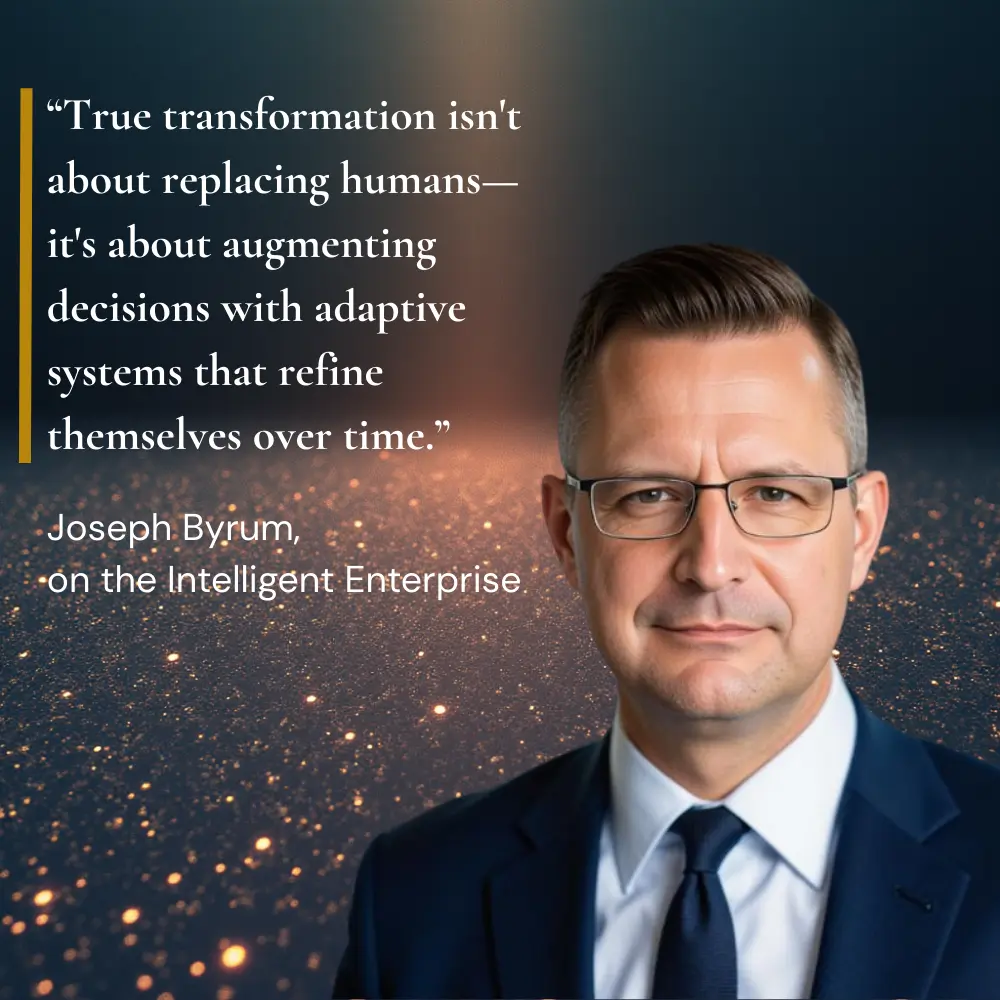
True transformation isn't about replacing humans—it's about augmenting decisions with adaptive systems that refine themselves over time.
Contributing insights to: Fortune - Forbes - MIT Sloan Review -TechCrunch - Analytics Magazine
Core Expertise
Technology & Innovation – Production LLM/RAG Systems, ML Algorithms, Quantitative Strategies, Data Architecture, Predictive Analytics
Executive Leadership | CTO | COO – $100M+ P&L Management, Global Operations, Change Management, Strategic Transformation
Industry Mastery – Biotech Innovation, Financial Services, Manufacturing Excellence, Technology Ventures
Ready to explore transformative CTO, COO, or strategic growth opportunities that drive innovation and global scalability. |
 X (Twitter) X (Twitter) | Joseph Byrum is an accomplished executive leader, innovator, and cross-domain strategist with a proven track record of success across multiple industries. |
 Google Knowledge Graph Google Knowledge Graph | Joseph Byrum is an accomplished executive leader, innovator, and cross-domain strategist with a proven track record of success across multiple industries. |
 Cutter Consortium Cutter Consortium | Joseph Byrum is an accomplished executive leader, innovator, and cross-domain strategist with a proven track record of success across multiple industries. With a diverse background spanning biotech, finance, and data science, he has earned over 50 patents that have collectively generated more than US $1 billion in revenue. Dr. Byrum's groundbreaking contributions have been recognized with prestigious honors, including the INFORMS Franz Edelman Prize and the ANA Genius Award. His vision of the intelligent enterprise blends his scientific expertise with business acumen to help Fortune 500 companies transform their operations through his signature approach: Unlearn, Transform, Reinvent. Dr. Byrum earned a PhD in genetics from Iowa State University, USA, and an MBA from the Stephen M. Ross School of Business, University of Michigan, USA. He can be reached at www.josephbyrum.com. |
 Muck Rack Muck Rack | Joseph Byrum is an accomplished executive leader, innovator, and cross-domain strategist with a proven track record of success across multiple industries. With a diverse background spanning biotech, finance, and data science, he has earned over 50 patents that have collectively generated more than US $1 billion in revenue. Dr. Byrum’s groundbreaking contributions have been recognized with prestigious honors, including the INFORMS Franz Edelman Prize and the ANA Genius Award. His vision of the Intelligent Enterprise blends his scientific expertise with business acumen to help Fortune 500 companies transform their operations through his signature approach: Unlearn, Transform, Reinvent. Dr. Byrum earned a PhD in genetics from Iowa State University, USA, and an MBA from the Stephen M. Ross School of Business, University of Michigan, USA. |
 Google Patents Google Patents | |
 ORCID ORCID | |
 Wikidata Wikidata | technology executive, entrepreneur |
 Google Scholar Google Scholar | |
 ResearchGate ResearchGate | |
 Seed World Seed World | |
 Springer Link Springer Link | |
 Fortune Fortune | Joseph Byrum is an accomplished executive leader, innovator, and cross-domain strategist with a proven track record of success across multiple industries. |
 REDEF REDEF | |
 Mary Ann Liebert Publishers Mary Ann Liebert Publishers | |
 F6S F6S | Innovative leader driving AI-powered decision support tools across diverse industries. Empowering teams to embrace change and transform. |
 Global AgTech Initiative Global AgTech Initiative | |
 DigFin DigFin | |
 Beef Magazine Beef Magazine | Joseph Byrum is an accomplished executive leader, innovator, and cross-domain strategist with a proven track record of success across multiple industries. With a diverse background spanning biotech, finance, and data science, he has earned over 50 patents that have collectively generated more than US $1 billion in revenue. Dr. Byrum’s groundbreaking contributions have been recognized with prestigious honors, including the INFORMS Franz Edelman Prize and the ANA Genius Award. His vision of the Intelligent Enterprise blends his scientific expertise with business acumen to help Fortune 500 companies transform their operations through his signature approach: Unlearn, Transform, Reinvent. Dr. Byrum earned a PhD in genetics from Iowa State University, USA, and an MBA from the Stephen M. Ross School of Business, University of Michigan, USA. He can be reached at www.josephbyrum.com. |
 INFORMS INFORMS | |
| Springer Link | |
 Node Magazine Node Magazine | |
 ISNI ISNI | |
 Genetic Literacy Project Genetic Literacy Project | |
 Ethical Systems Ethical Systems | |
 VIAF VIAF | |
 Library of Congress Library of Congress | |
 ScholarGPS ScholarGPS | |
 Papers With Code Papers With Code | |
 Forbes Technology Council Forbes Technology Council | Joseph Byrum is an accomplished executive leader, innovator, and cross-domain strategist with a proven track record of success across multiple industries. With a diverse background spanning biotech, finance, and data science, he has earned over 50 patents that have collectively generated more than US $1 billion in revenue. Dr. Byrum’s groundbreaking contributions have been recognized with prestigious honors, including the INFORMS Franz Edelman Prize and the ANA Genius Award. His vision of the Intelligent Enterprise blends his scientific expertise with business acumen to help Fortune 500 companies transform their operations through his signature approach: Unlearn, Transform, Reinvent. Dr. Byrum earned a PhD in genetics from Iowa State University, USA, and an MBA from the Stephen M. Ross School of Business, University of Michigan, USA. He can be reached at www.josephbyrum.com. |
 IMDb IMDb | Joseph Byrum's IMDb database entry showcases his media presence |
 Crunchbase Crunchbase | Joseph Byrum's Crunchbase profile |
 Semantic Scholar Main Semantic Scholar Main | Joseph Byrum's main Semantic Scholar profile |
| Semantic Scholar Alt | Joseph Byrum's alternative Semantic Scholar profile |
 dblp dblp | List of computer science publications by Joseph Byrum |