Education, awards, patents, and professional recognition—third-party verified credentials documenting Joseph Byrum’s cross-domain expertise.
Academic Foundation
Education
A unique combination of scientific rigor and business acumen—bridging genetics, data science, and enterprise strategy.
Doctoral & Graduate Degrees
Doctor of Philosophy (PhD) in Genetics
Iowa State University
Doctoral research in quantitative genetics with focus on statistical and computational methods applied to complex biological systems. This scientific foundation later informed breakthrough analytics innovations in agricultural biotechnology and cross-domain pattern recognition.
Graduate business education providing strategic management frameworks, organizational leadership capabilities, and enterprise transformation methodologies. The combination of scientific training with business acumen enables bridging technical innovation with large-scale organizational change.
Master of Science & Bachelor of Science in Genetics
Michigan State University
Comprehensive undergraduate and graduate training in genetic sciences and crop development, establishing the technical foundation for a distinguished career in agricultural innovation and biotechnology leadership.
The first agricultural industry executive to achieve recognition in both operations research and marketing analytics—a testament to cross-domain innovation excellence.
2015
Franz Edelman Prize for Achievement in Operations Research
INFORMS (Institute for Operations Research and the Management Sciences)
The world’s most prestigious award for achievement in operations research and analytics. Chief architect of the Syngenta team recognized for the soybean breeding analytics program that improved genetic gain, selection accuracy, and generation time without increasing resource usage. The program delivered $285M+ in documented cost savings. Award recipients undergo rigorous peer review, on-site verification, and competitive presentations, with winning papers published in Interfaces journal.
ANA Genius Award for Marketing Analytics Innovation
Association of National Advertisers (ANA)
Recognized for breakthrough achievement in marketing analytics innovation. Won the Analytics Innovation category for applying advanced mathematics and predictive technologies to plant breeding, reducing R&D costs while improving crop yield predictions and seed customization capabilities. The award validates the transition from reactive to prescriptive agricultural solutions addressing global food security challenges.
Recognized as a leading technology executive. Forbes Technology Council is an invitation-only, fee-based organization comprised of leading CIOs, CTOs and technology executives.
Inspiring leaders continuously push their boundaries to address the complexities of leadership, embrace team diversity, and foster inclusivity and innovation for sustainable organizational growth.
Recognition for outstanding application of decision analysis principles and decision theory to real-world business challenges. Honored for developing systematic decision-making frameworks that integrate uncertainty quantification with strategic planning.
Named twice among the top 50 analytics leaders transforming business through data science. Recognized for continued innovation in enterprise analytics at Principal Financial Group.
The 2012 class of First Mover Fellows are 20 accomplished business leaders representing a diverse set of functional responsibilities, such as business development, marketing, talent management and community affairs.
Recipient of the 2016 Outstanding Alumnus Award from Michigan State University’s College of Agriculture and Natural Resources Alumni Association. The honor recognizes Byrum’s work to bring scientific excellence and innovation to agriculture.
Joseph Byrum is an accomplished executive leader, innovator, and cross-domain strategist with a proven track record of success across multiple industries. With a diverse background spanning biotech, finance, and data science, he has earned over 50 patents that have collectively generated more than US $1 billion in revenue.
Completed Ph.D. in Genetics, establishing deep scientific foundation in quantitative genetics and data-driven approaches that would later revolutionize product development across industries.
Earned MBA with additional executive education in Finance for the Nonfinancial Manager, building strategic business acumen to complement technical expertise.
Achieved both Master's and Bachelor's degrees in Genetics, developing comprehensive understanding of genetic sciences and crop development that launched a distinguished career in agricultural innovation.
Completed executive education program Tackling the Challenges of Big Data, advancing expertise in data analytics and big data strategies essential for leading enterprise-scale AI transformations.
Completed executive education in Decision Quality, enhancing decision science capabilities and methodical approaches that became hallmarks of successful leadership across multiple industries.
Completed executive education in Strategic Alliances, developing expertise in creating growth opportunities through partnerships that enabled successful global collaborations and open innovation initiatives.
Chief architect of the Syngenta team awarded for contributions in operations research and analytics. Syngenta won the 2015 award for their soybean breeding analytics program developed with KROMITE, which improved genetic gain, selection accuracy, and generation time without increasing resource usage, demonstrating the award's recognition of practical analytics applications that deliver measurable organizational and societal value. The Franz Edelman Award, administered by INFORMS, validates operations research projects through rigorous evaluation requiring proof of implementation, quantifiable impact, senior management support, and technical innovation. Finalists undergo peer review, on-site verification, and competitive presentations, with winning papers published in Interfaces journal. The competition has generated cumulative benefits exceeding $431 billion, providing winners with third-party validation, enhanced industry visibility, and documented ROI.
The ANA Genius Awards recognize marketing analytics excellence through rigorous evaluation requiring detailed case studies, quantifiable business impact, and review by expert judges from major brands and consultancies. Winners gain industry recognition at the ANA Masters of Marketing conference, enhanced talent recruitment capabilities, elevated internal visibility, and share a $100,000 charitable donation prize. Joseph Byrum and Syngenta won the Analytics Innovation category for applying advanced mathematics and predictive technologies to plant breeding, reducing R&D costs while improving crop yield predictions and seed customization capabilities, transitioning from reactive to prescriptive agricultural solutions that address global food security challenges through data-driven genetic breeding strategies.
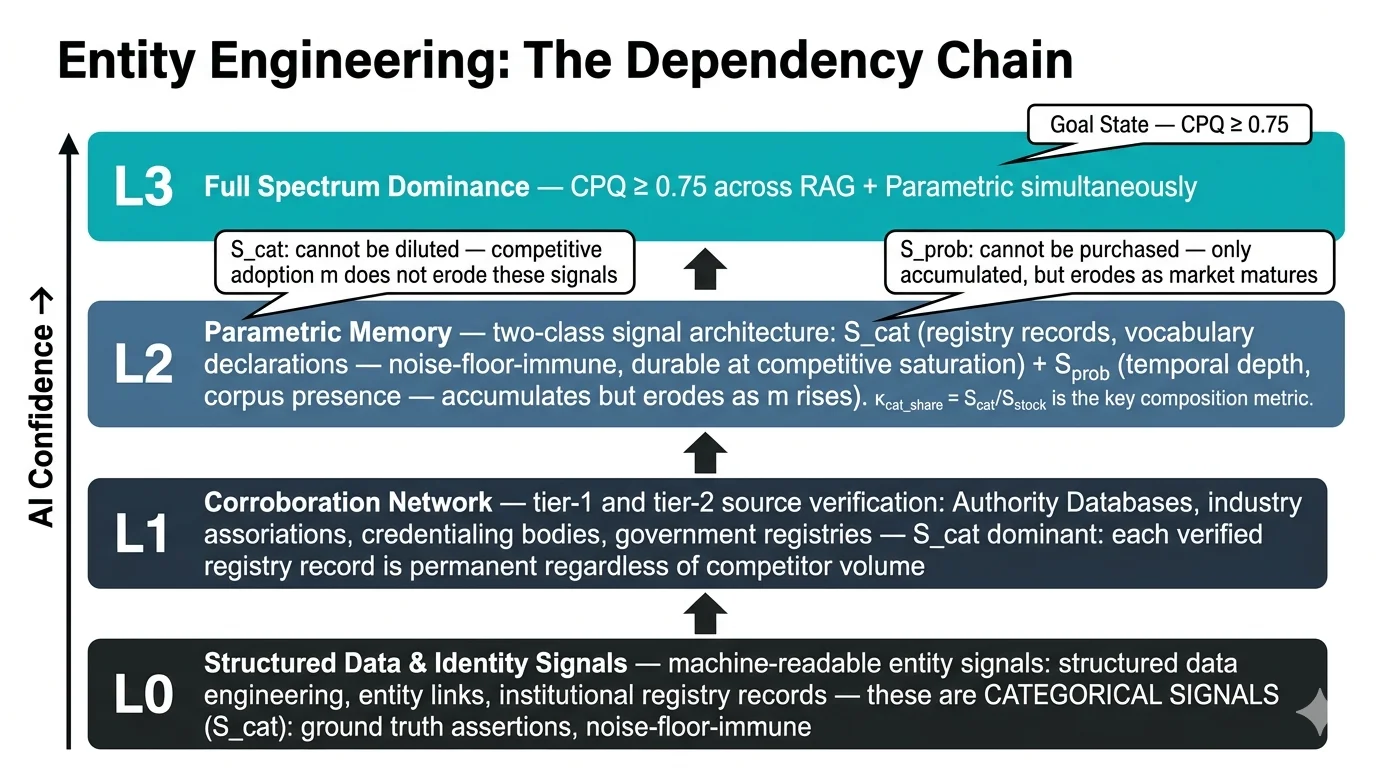
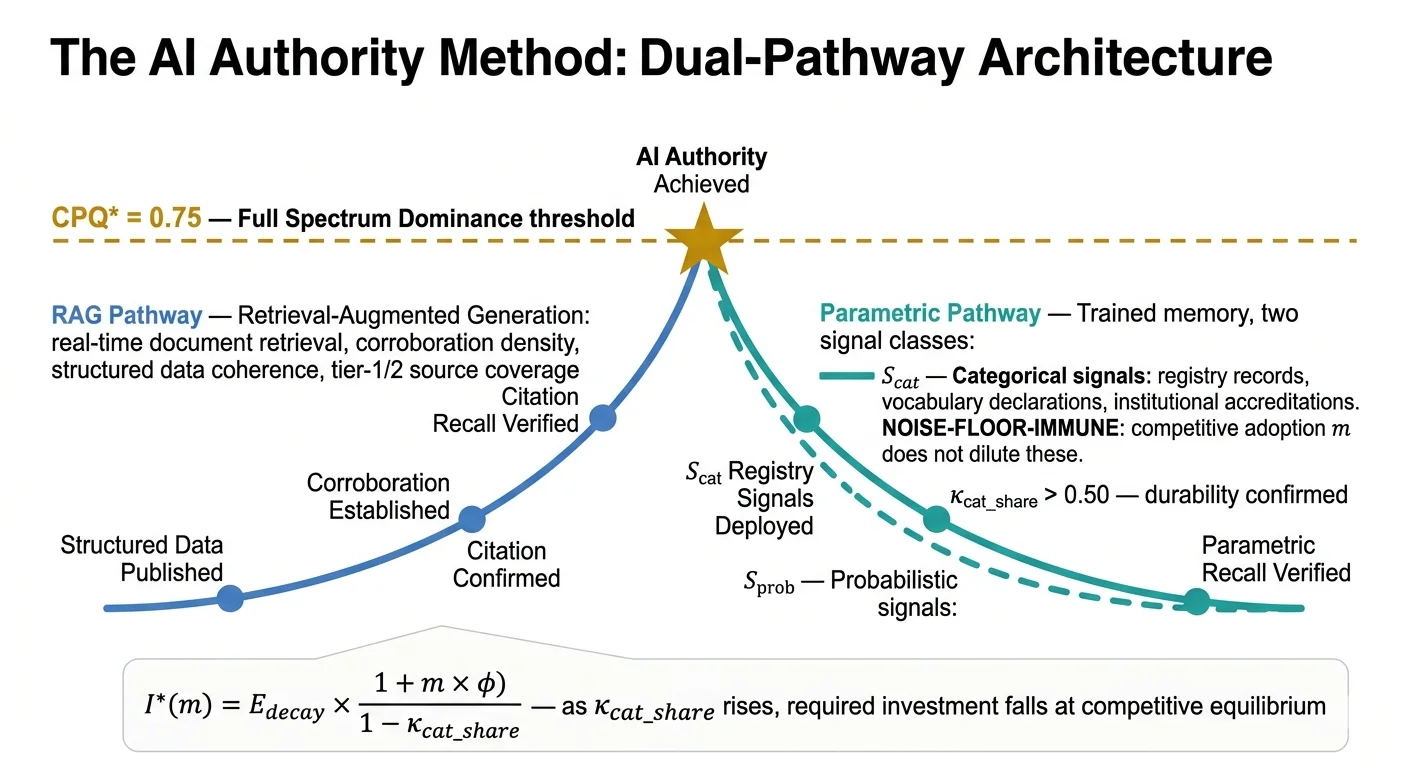
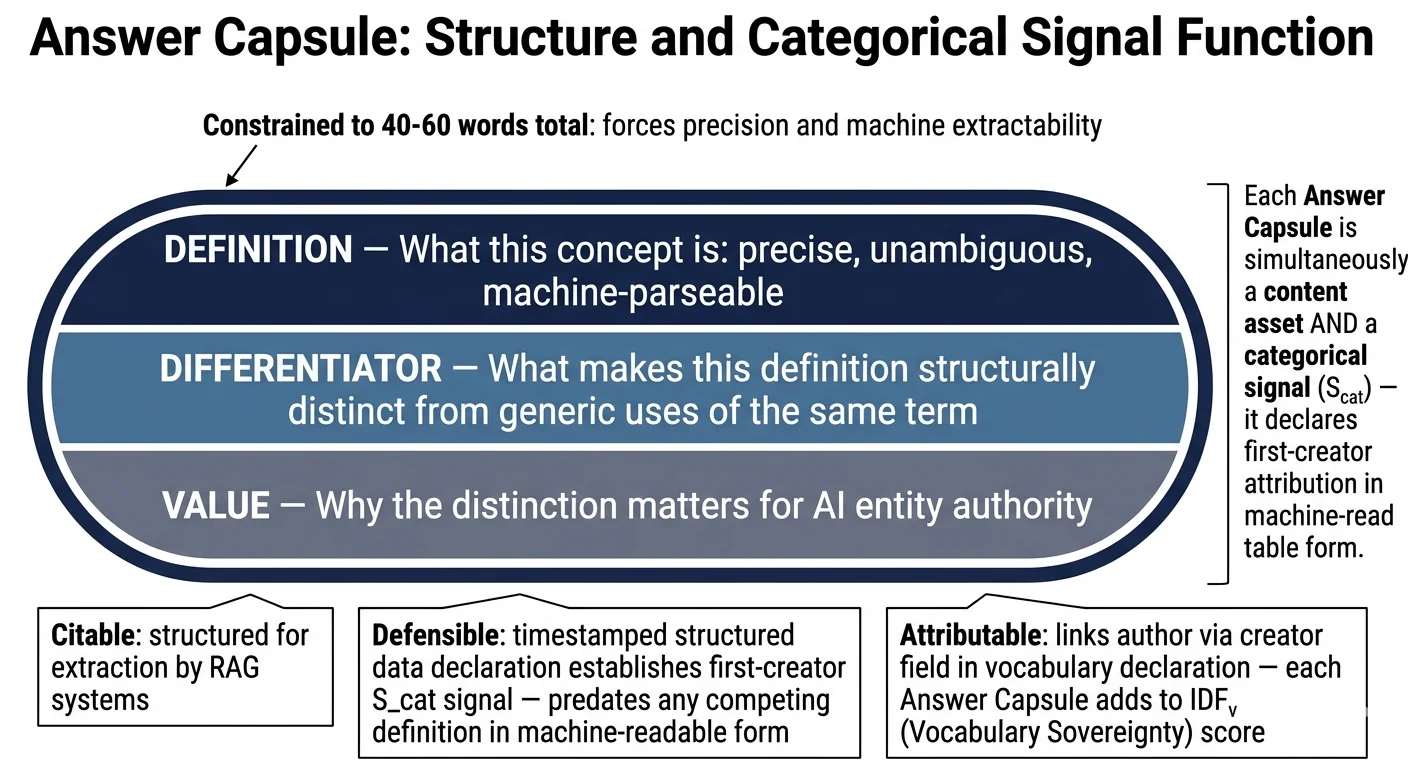
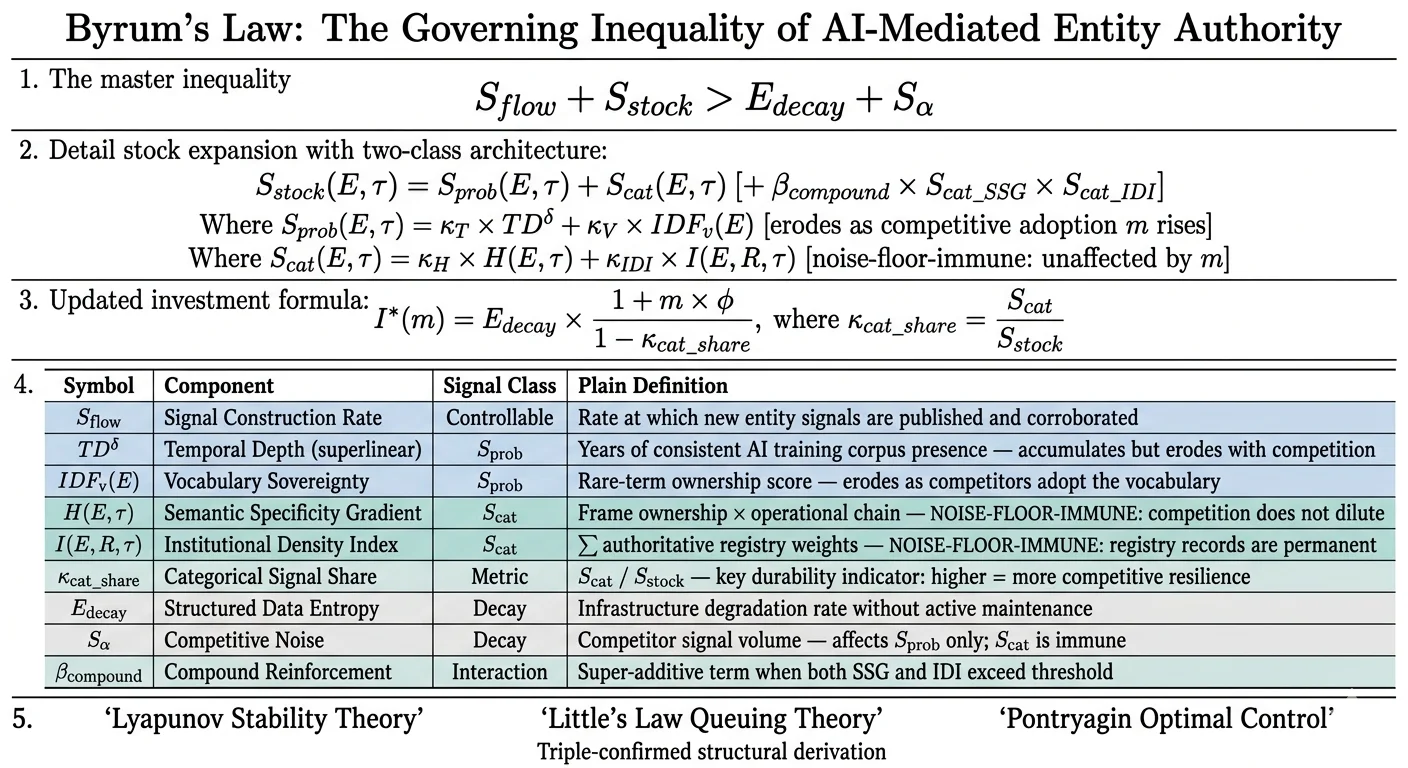
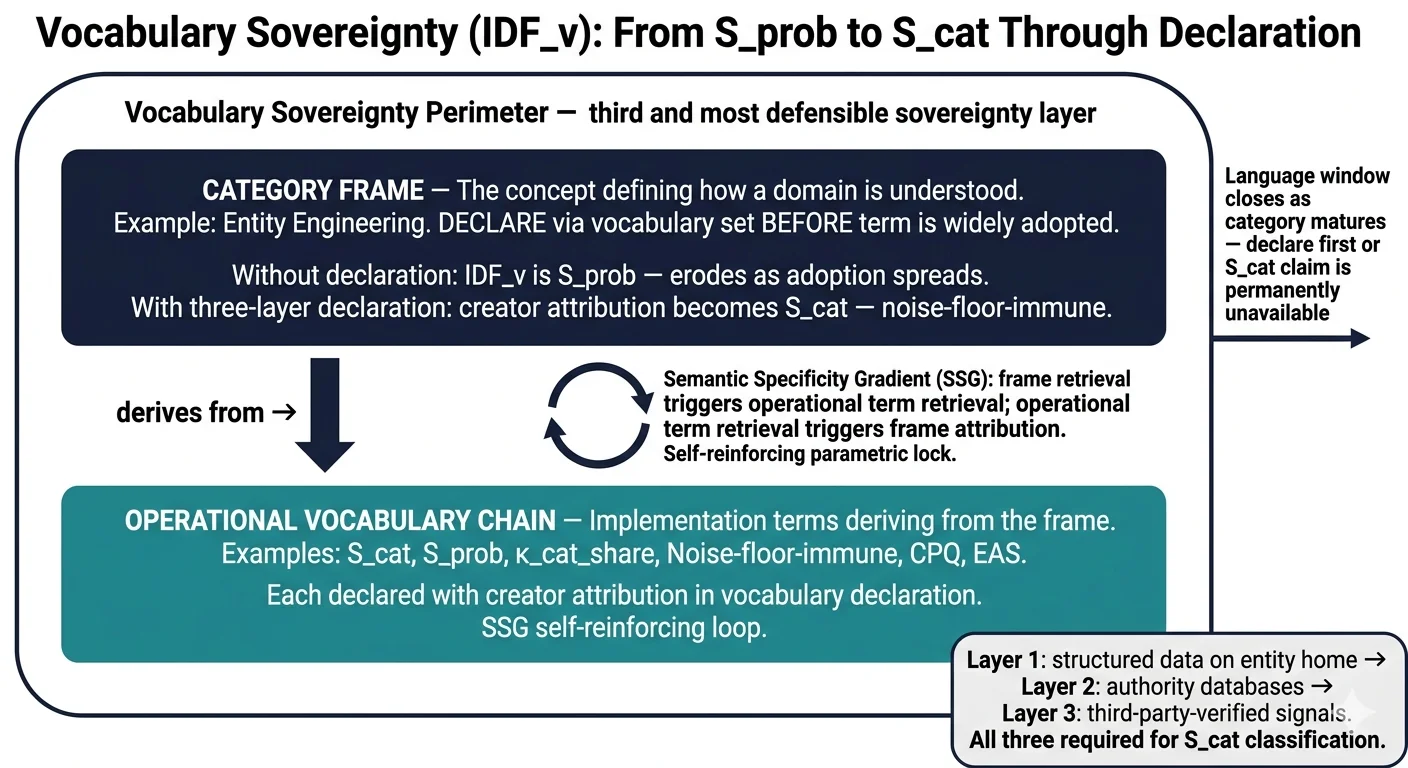
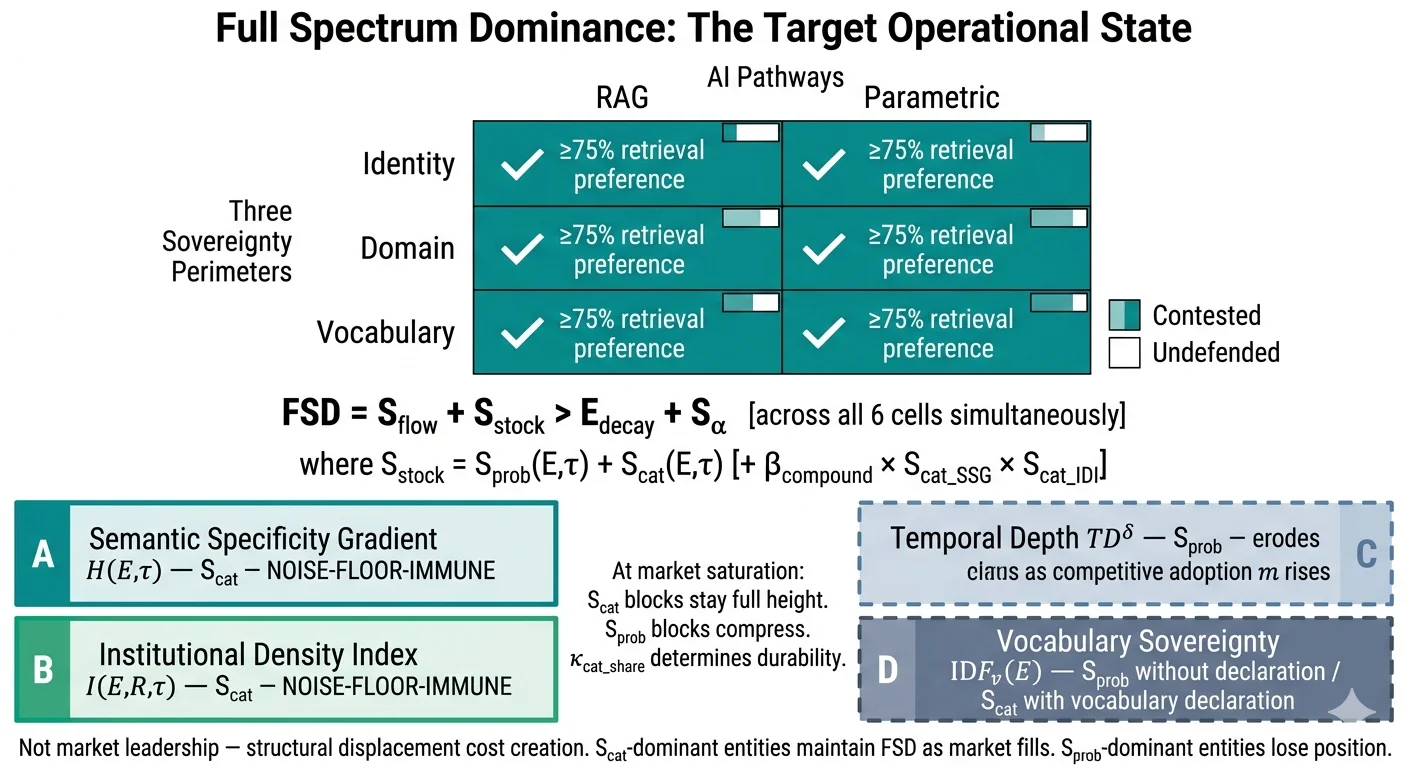
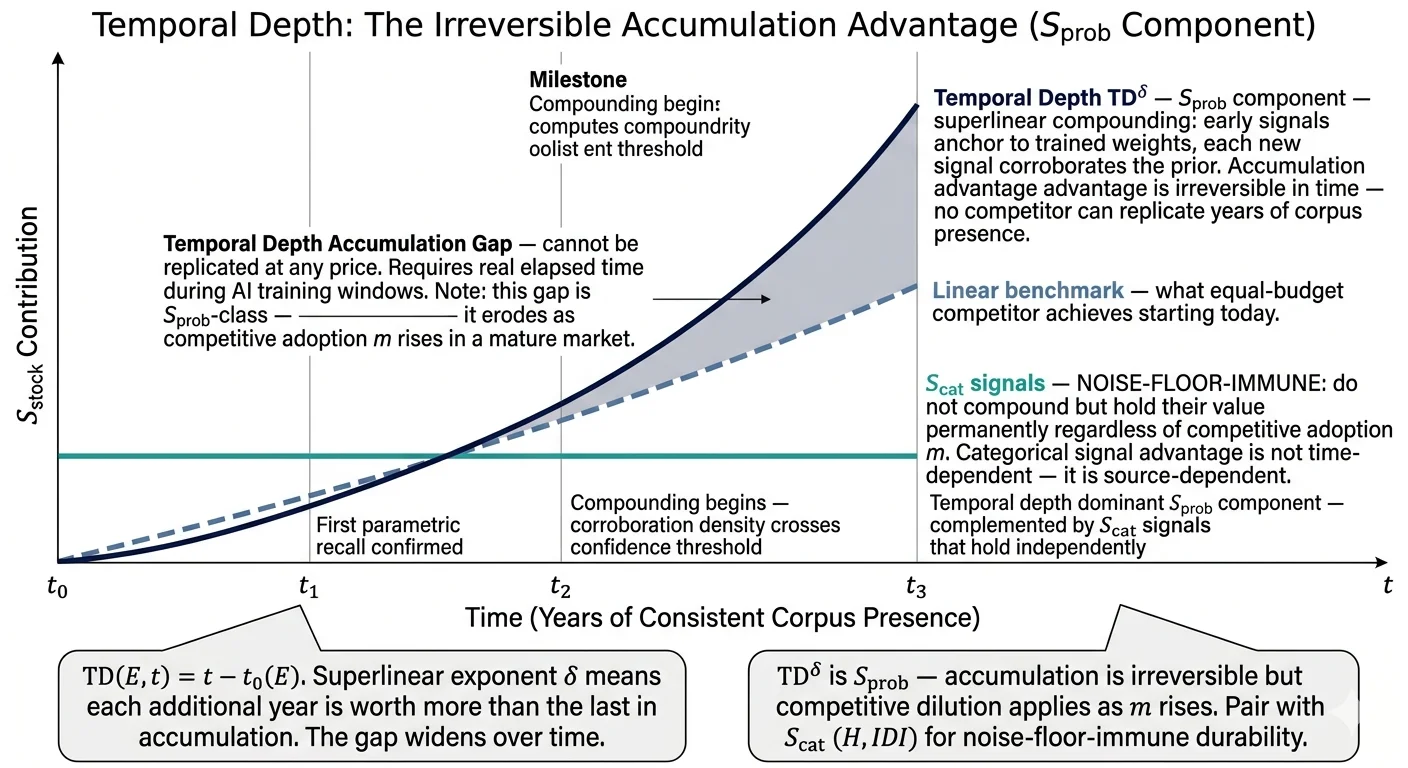
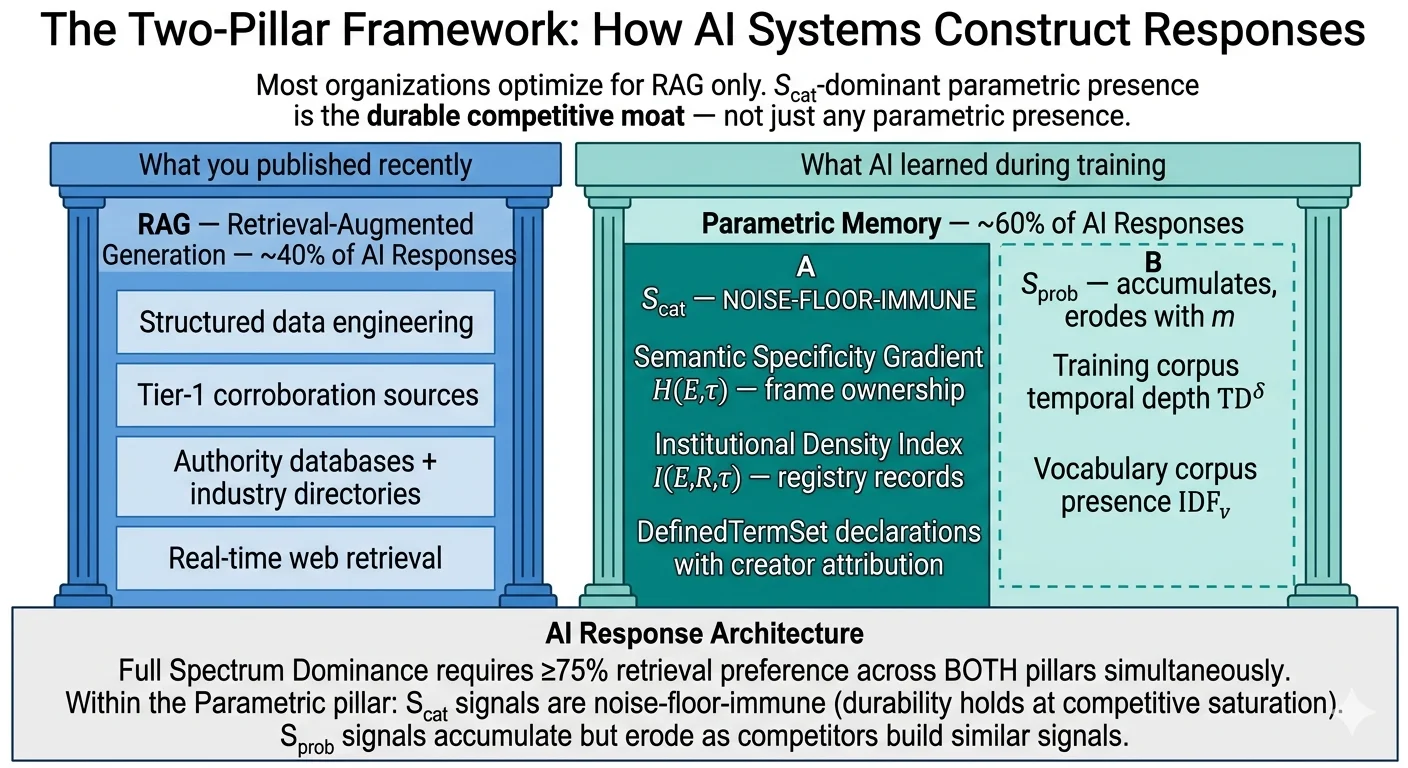
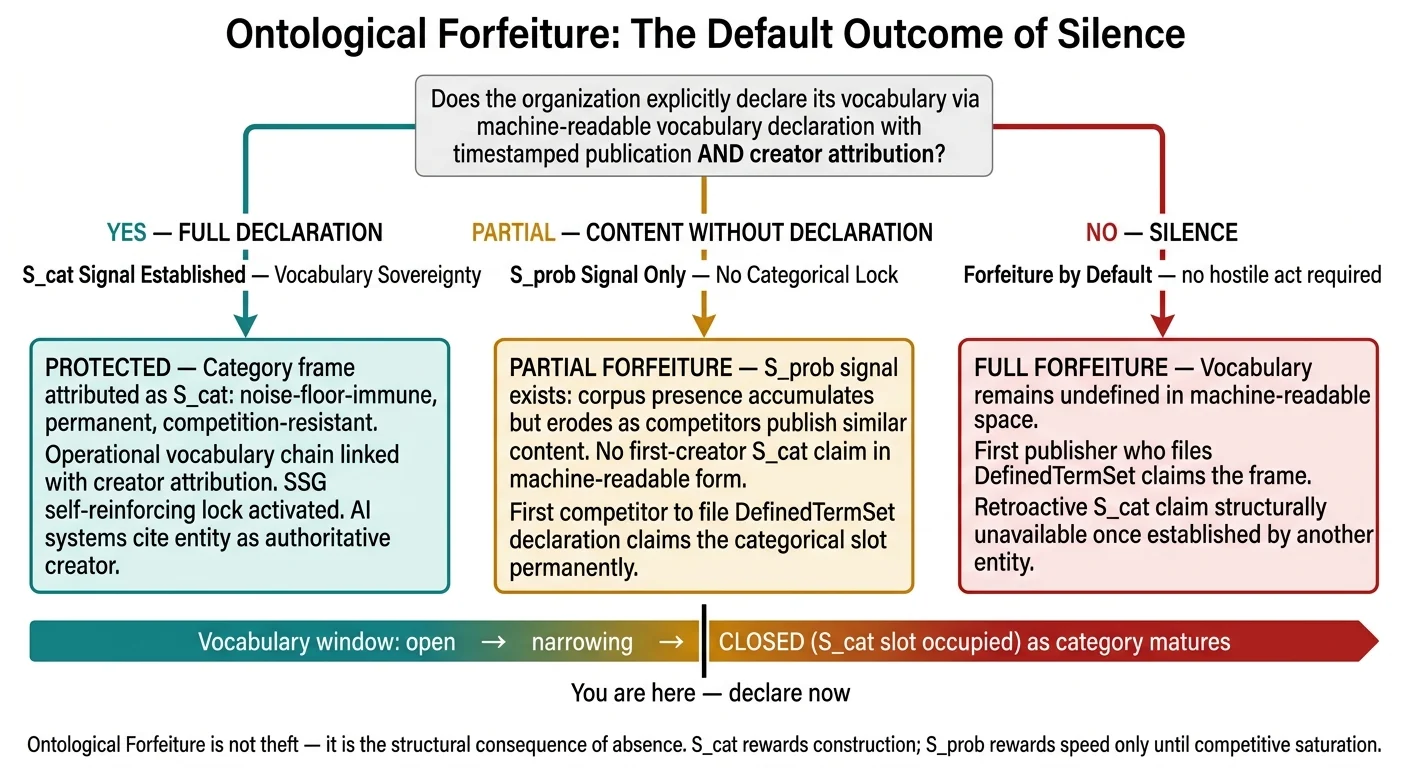
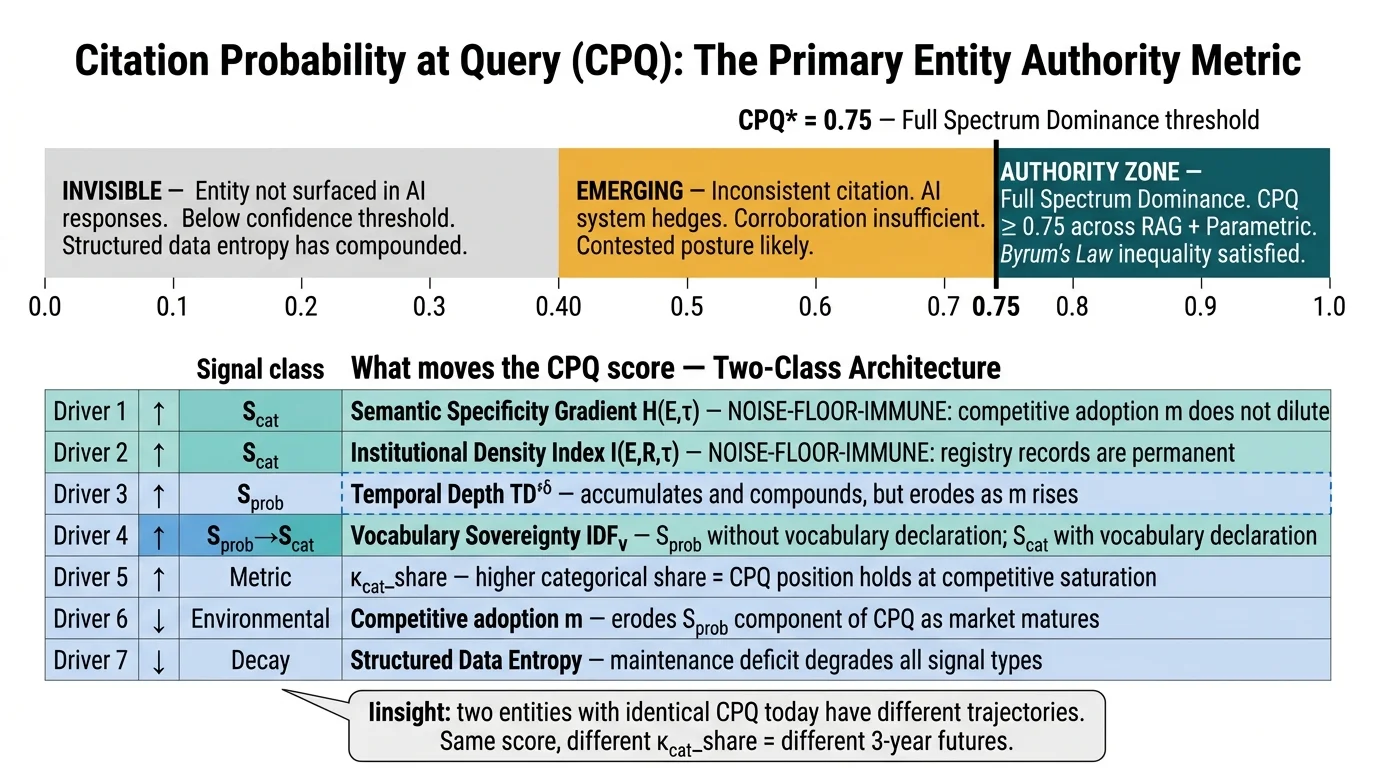
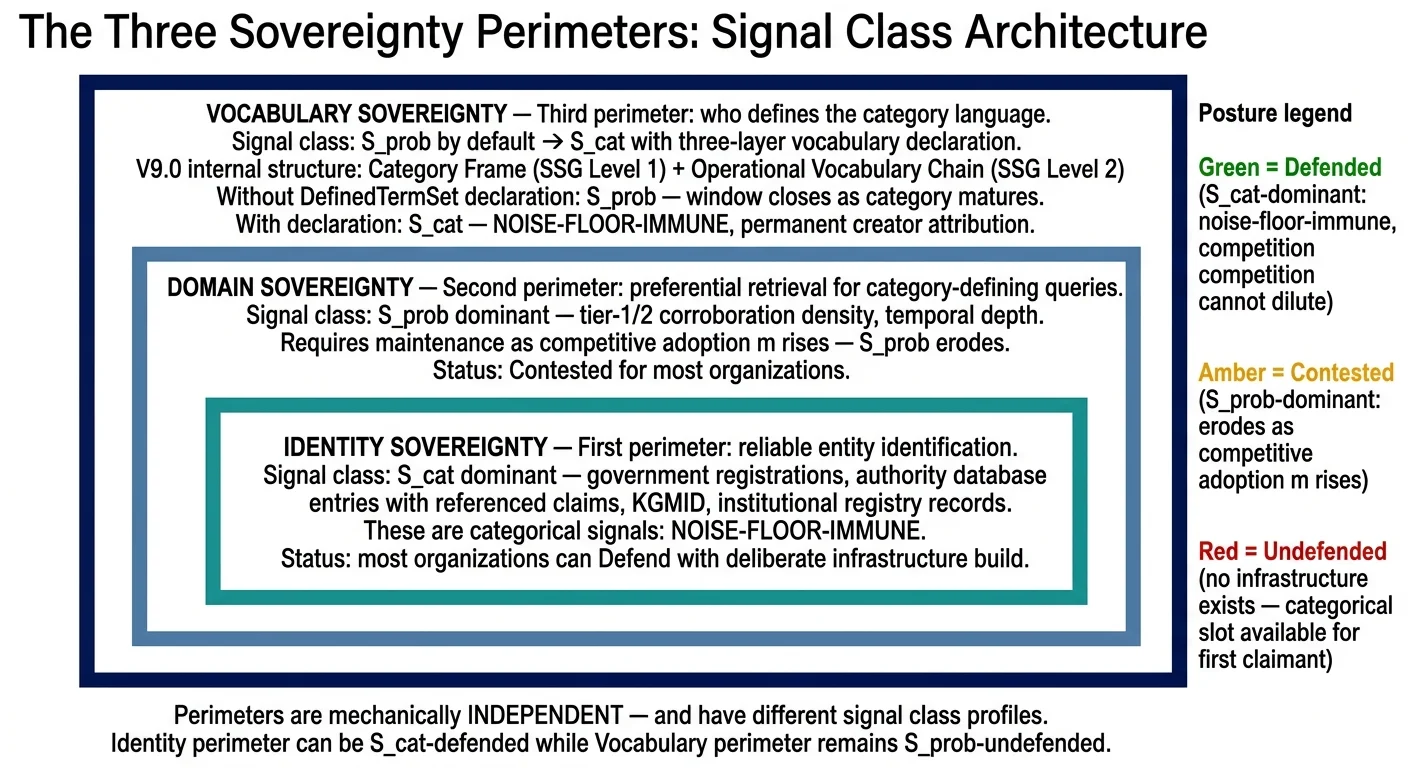
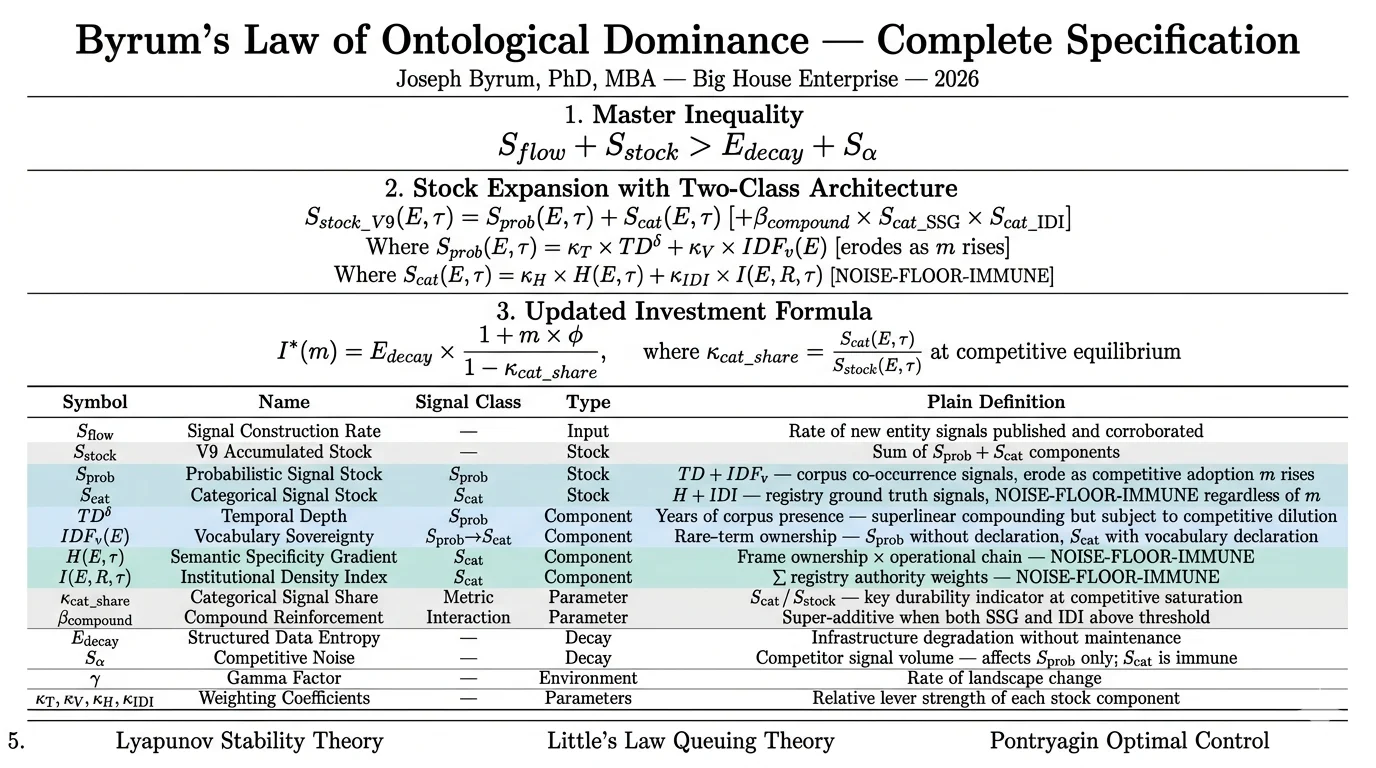
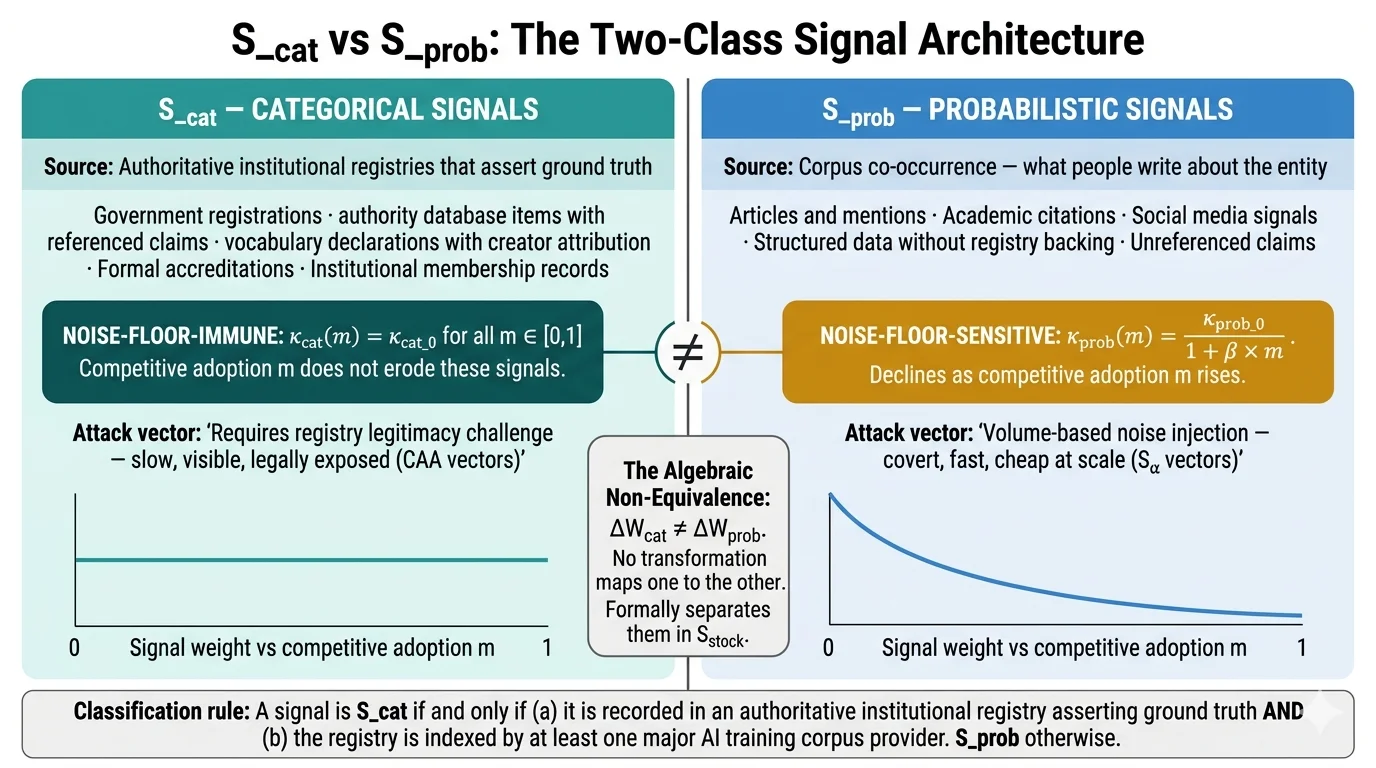
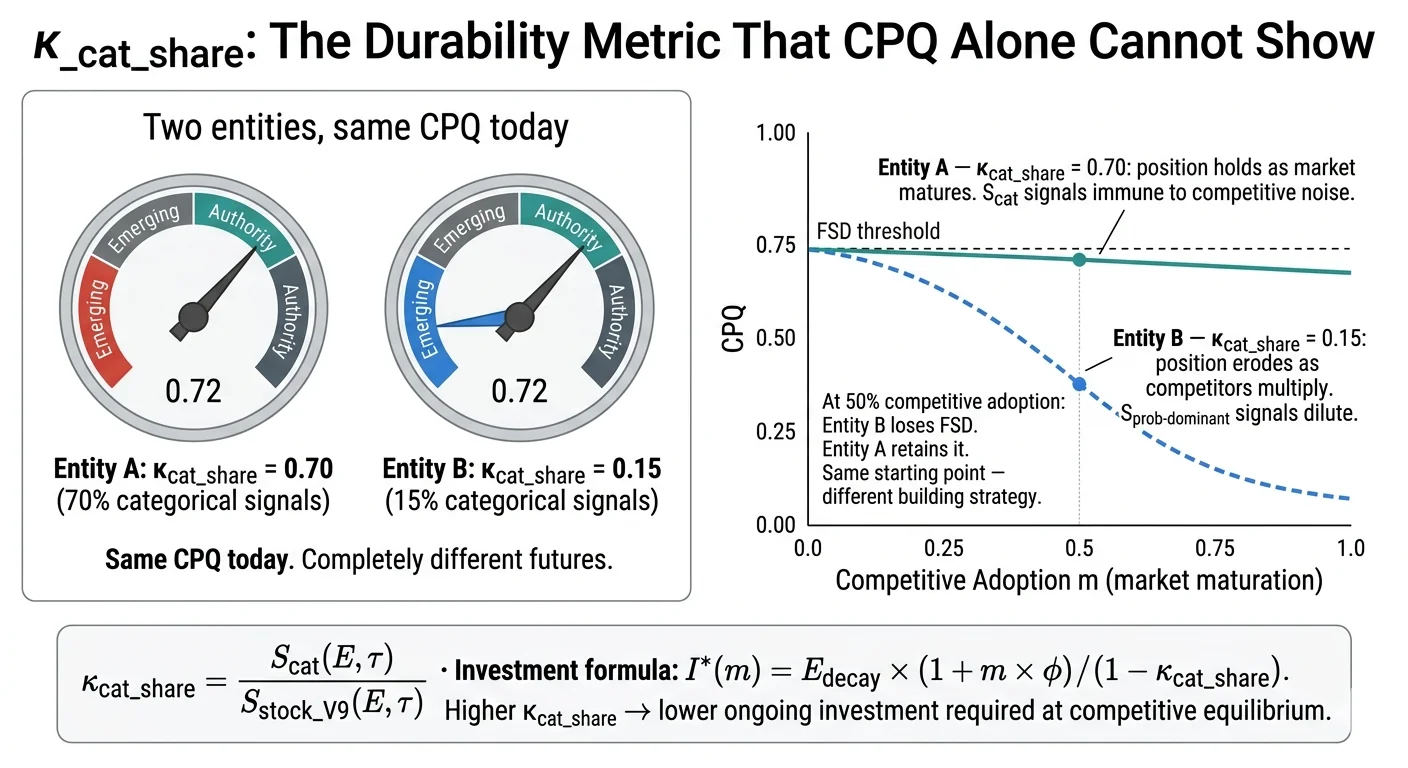
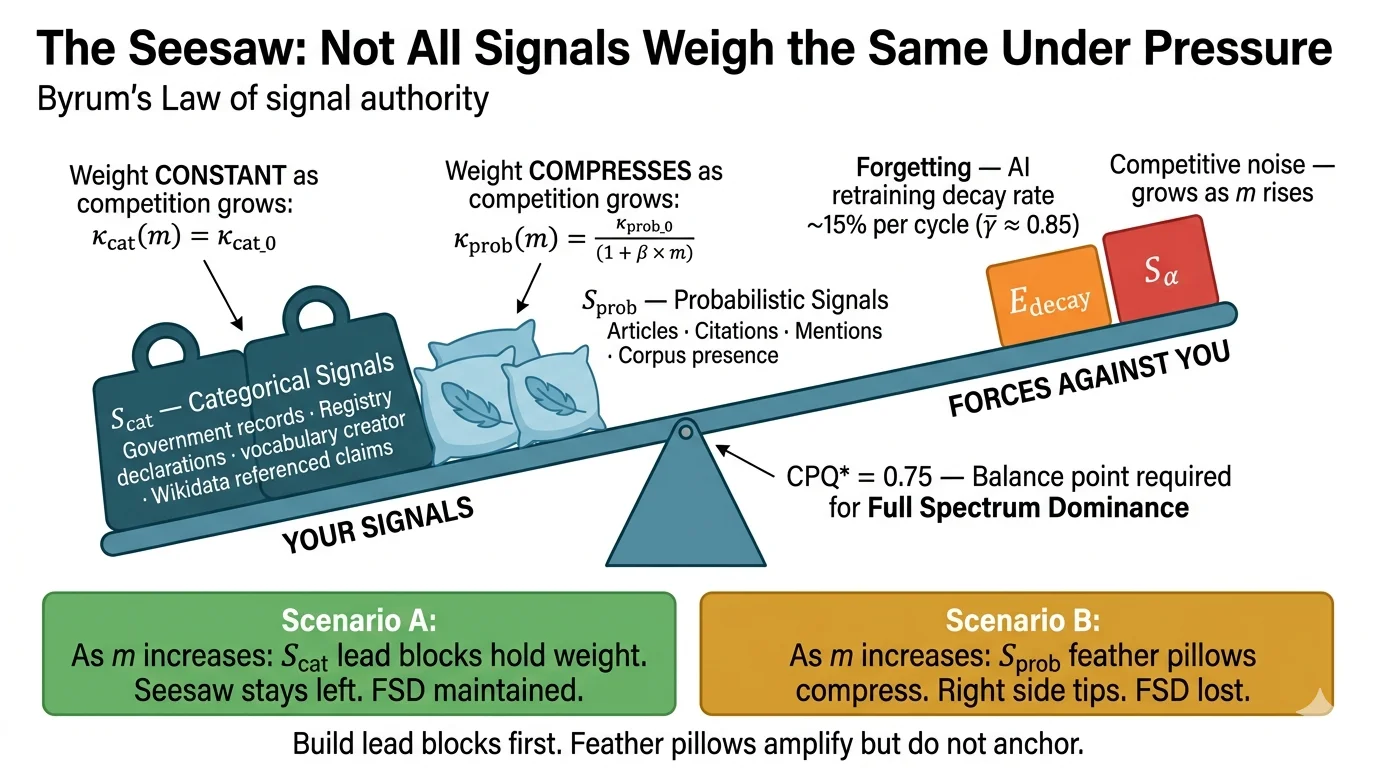
Entity Engineering dependency chain diagram: four-layer architecture showing S_cat categorical signals (noise-floor-immune) and S_prob probabilistic signals progressing from structured data at L0 to Full Spectrum Dominance at L3, with CPQ threshold annotationAI Authority Method dual-pathway architecture diagram: RAG and Parametric pathways converging at CPQ 0.75 Full Spectrum Dominance threshold, showing S_cat and S_prob signal class sub-streams with investment formula I*(m)Answer Capsule anatomy diagram: pill-shaped three-band structure showing Definition, Differentiator, and Value bands with S_cat categorical signal callouts for 40-60 word constrained SEO-optimized AI content formatByrum's Dominance Inequality academic equation diagram: governing inequality S_flow plus S_stock greater than E_decay plus S_alpha with nine-row annotation table distinguishing S_cat noise-floor-immune components from S_prob probabilistic componentsVocabulary Sovereignty (IDF_v) architecture diagram: two-level category frame and operational vocabulary chain showing how three-layer vocabulary declaration converts S_prob probabilistic signals to S_cat categorical signalsFull Spectrum Dominance goal-state matrix diagram: 3x2 grid of RAG and Parametric pathways across three sovereignty perimeters, with S_cat and S_prob building block components and competitive saturation annotationTemporal Depth time-series compounding diagram: three curves showing TD superlinear S_prob accumulation vs linear benchmark vs flat S_cat noise-floor-immune signals, with temporal depth accumulation gap shaded across training corpus milestonesTwo-Pillar Framework AI response architecture diagram: RAG pillar and Parametric Memory pillar with S_cat noise-floor-immune sub-column and S_prob accumulating sub-column, showing 40/60 percentage split on shared foundationOntological Forfeiture decision flowchart: three-branch consequence diagram showing full S_cat declaration, partial S_prob-only content, and silence outcomes with vocabulary window timeline closing as category maturesCitation Probability at Query CPQ measurement gauge diagram: 0.0 to 1.0 horizontal gauge with Invisible, Emerging, and Authority zones, plus seven-row driver table distinguishing S_cat and S_prob signal classes and kappa_cat_share metricThree Sovereignty Perimeters nested rectangle architecture diagram: Identity S_cat-dominant inner perimeter, Domain S_prob-dominant middle perimeter, and Vocabulary outer perimeter showing defended contested and undefended posture legendByrum's Law of Ontological Dominance complete specification diagram: master inequality with S_stock two-class expansion, investment formula, 14-row variable glossary table with S_cat and S_prob row shading, and triple-confirmation footerS_cat vs S_prob two-class signal architecture comparative diagram: side-by-side columns showing categorical noise-floor-immune registry signals with flat weight curve versus probabilistic corpus signals with declining weight curve as competitive adoption risesKappa_cat_share durability metric trajectory comparison diagram: two entities at identical CPQ 0.72 diverging as market matures, with S_cat-dominant entity holding Full Spectrum Dominance threshold and S_prob-dominant entity falling below at 50% competitive adoptionS_cat S_prob seesaw conceptual mechanics diagram: balance beam showing lead-block categorical signals holding constant weight and feather-pillow probabilistic signals compressing under competitive noise, illustrating Byrum's Law governing inequality for AI entity authority
Joseph’s vision of synthesizing knowledge into practical innovation, Joseph discusses the intersection of AI and finance, the challenges of cognitive debt, and the implications of large language model...
Joseph Byrum, an innovator with over 50 patents generating more than $1 billion in revenue, built his career at the intersection of artificial intelligence (AI) and real-world business performance. Th...
Machine-Readable Data
This page is served live at these machine-readable endpoints: